Stairs are an integral part of any multi-level home, providing access to different floors and creating an architectural focal point in the interior design. There are different types of stairs that can be used in residential homes, each with its own advantages and disadvantages. In this article, we will explore the different types of stairs and their pros and cons.
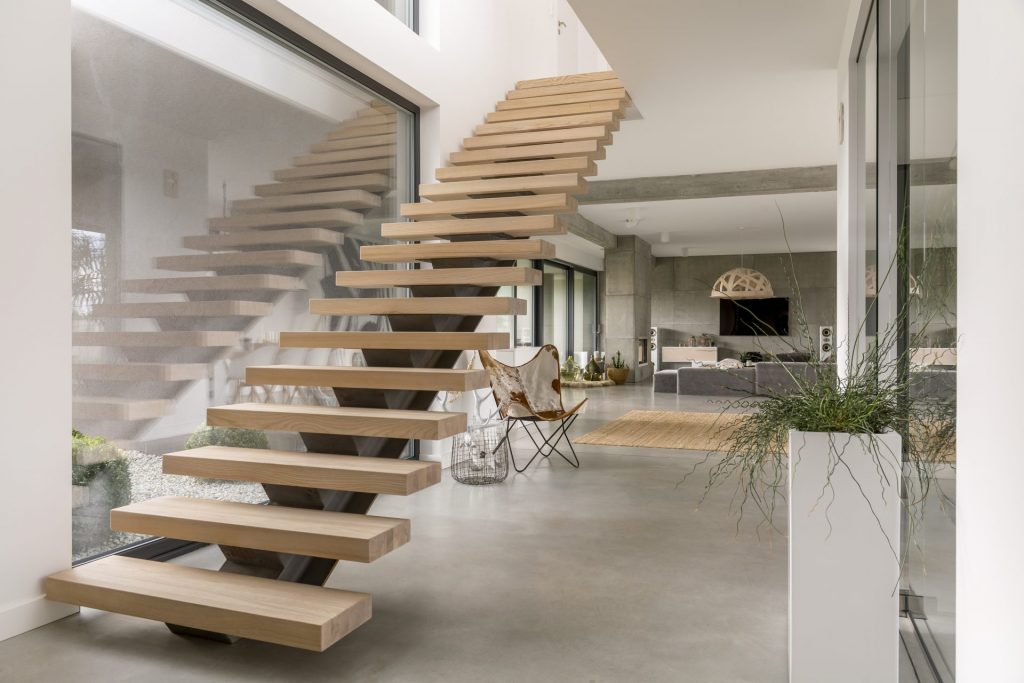
Straight stairs
The most common type of stairs used in residential homes is the straight stairs. As the name suggests, these stairs run straight up from one floor to another, with no turns or landings in between. They are simple in design and easy to build, making them a popular choice among homeowners.
Advantages of straight stairs:
Easy to install: Straight stairs are the easiest type of stairs to install, making them an ideal choice for those who want a quick and easy solution.
Space-saving: Straight stairs take up less floor space compared to other types of stairs, making them a practical choice for homes with limited space.
Cost-effective: Straight stairs are the most cost-effective type of stairs, as they require fewer materials and labor to install.
Disadvantages of straight stairs:
Steep incline: Straight stairs have a steep incline, which can make them difficult to climb for some people, especially children and the elderly.
Lack of privacy: Straight stairs provide no privacy between floors, which can be a disadvantage for some homeowners who want to keep different areas of their home separate.
Limited design options: Straight stairs have limited design options, making them less versatile compared to other types of stairs.
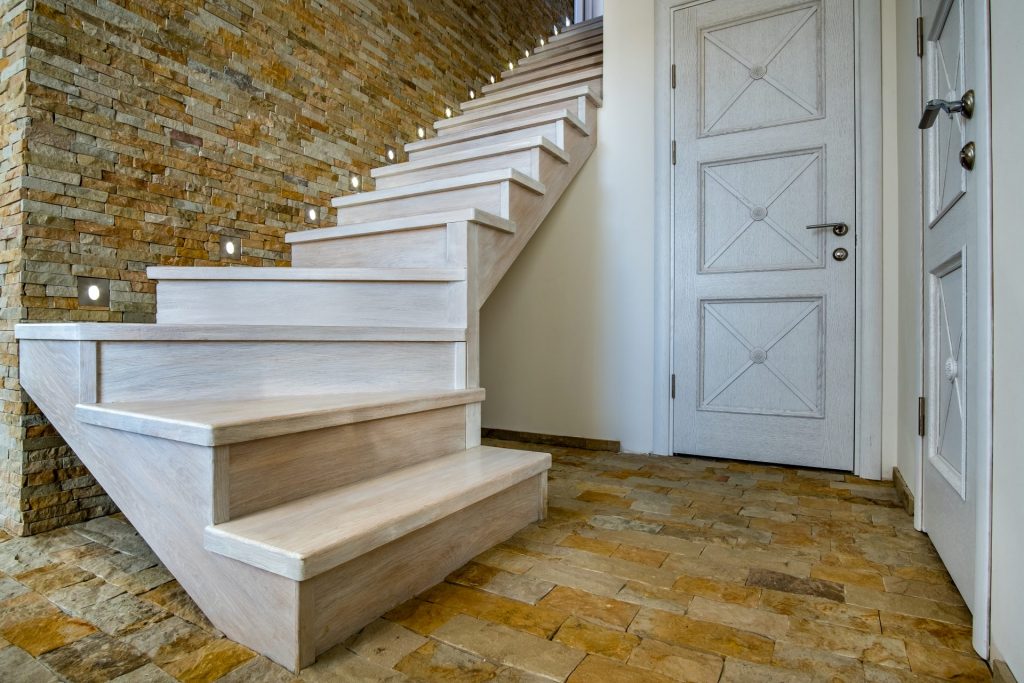
L-shaped stairs
L-shaped stairs are a popular choice among homeowners, as they offer a more gradual incline than straight stairs, making them easier to climb. They consist of two flights of stairs that are connected at a 90-degree angle, creating an L-shape.
Advantages of L-shaped stairs:
Easy to climb: L-shaped stairs have a more gradual incline than straight stairs, making them easier to climb.
Space-saving: L-shaped stairs take up less floor space compared to other types of stairs, making them a practical choice for homes with limited space.
Provides privacy: L-shaped stairs provide more privacy between floors compared to straight stairs, as they allow for a landing between the two flights of stairs.
Disadvantages of L-shaped stairs:
Can be difficult to design and install: L-shaped stairs require more planning and skill to design and install compared to straight stairs, making them more expensive.
Not suitable for narrow spaces: L-shaped stairs require a larger amount of floor space compared to straight stairs, making them less suitable for narrow spaces.
Can be difficult to clean: The landing between the two flights of stairs can be difficult to clean, as it is a hard-to-reach area.
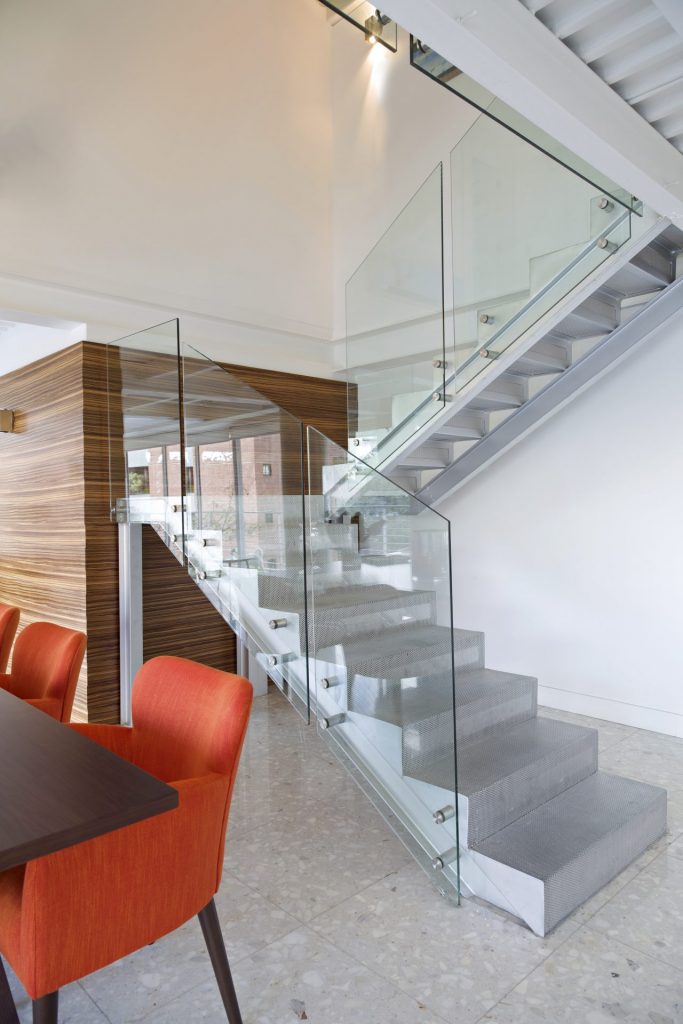
U-shaped stairs
U-shaped stairs are similar to L-shaped stairs, but they have an extra flight of stairs that connects the two flights at a 180-degree angle, creating a U-shape. U-shaped stairs are a popular choice for larger homes with more than two floors.
Advantages of U-shaped stairs:
Provides privacy: U-shaped stairs provide more privacy between floors compared to straight stairs, as they allow for two landings between the three flights of stairs.
Provides a focal point: U-shaped stairs can create a stunning focal point in the interior design of a home, as they are visually striking.
Allows for better traffic flow: U-shaped stairs allow for better traffic flow between floors, as they can accommodate more people at once.
Disadvantages of U-shaped stairs:
Can be difficult to design and install: U-shaped stairs require a higher level of skill and planning to design and install compared to straight stairs and L-shaped stairs, making them more expensive.
Takes up more floor space: U-shaped stairs take up more floor space compared to straight stairs and L-shaped stairs, making them less suitable for homes with limited space.
Can be difficult to clean: The two landings between the three flights of stairs can be difficult to clean, as they are hard-to-reach areas.
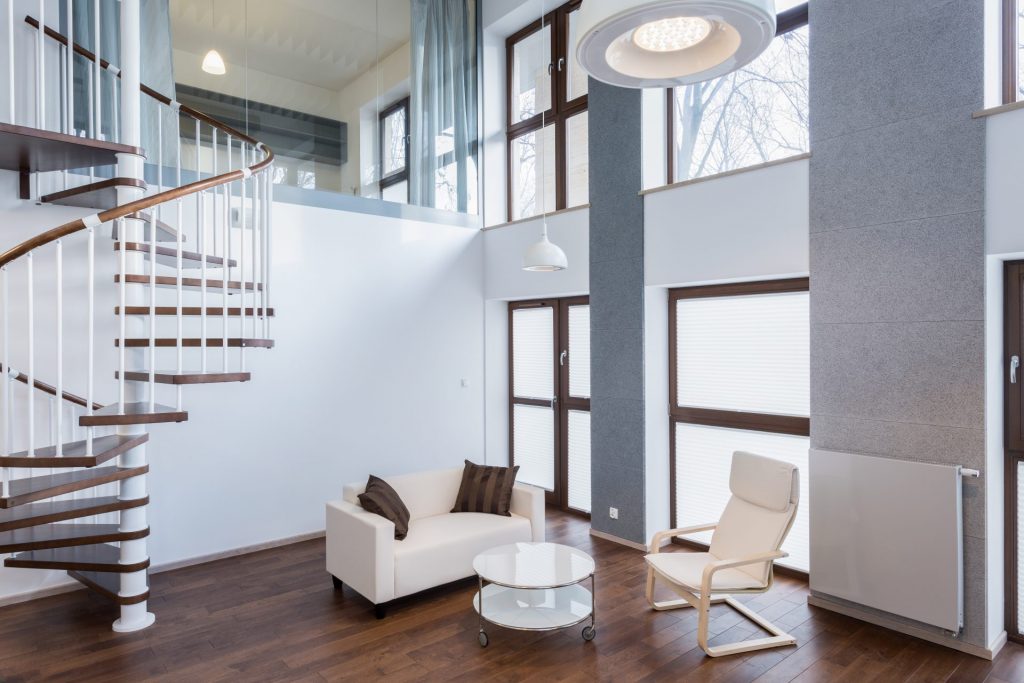
Spiral stairs
Spiral stairs are a popular choice for homes with limited floor space or for those who want to create a unique design element in their home. They consist of a single central column with treads that spiral around the column to connect different floors.
Advantages of spiral stairs:
Space-saving: Spiral stairs take up less floor space compared to other types of stairs, making them a practical choice for homes with limited space.
Unique design: Spiral stairs create a unique design element in the home, as they are visually striking and can be customized to fit the style of the home.
Easy to install: Spiral stairs are easy to install, as they come pre-fabricated and can be assembled on-site.
Disadvantages of spiral stairs:
Steep incline: Spiral stairs have a steep incline, which can make them difficult to climb for some people, especially children and the elderly.
Limited traffic flow: Spiral stairs can only accommodate one person at a time, making them less suitable for homes with a high traffic flow.
Not suitable for moving large objects: Spiral stairs can be difficult to move large objects up and down, as the narrow treads and central column can be restrictive.
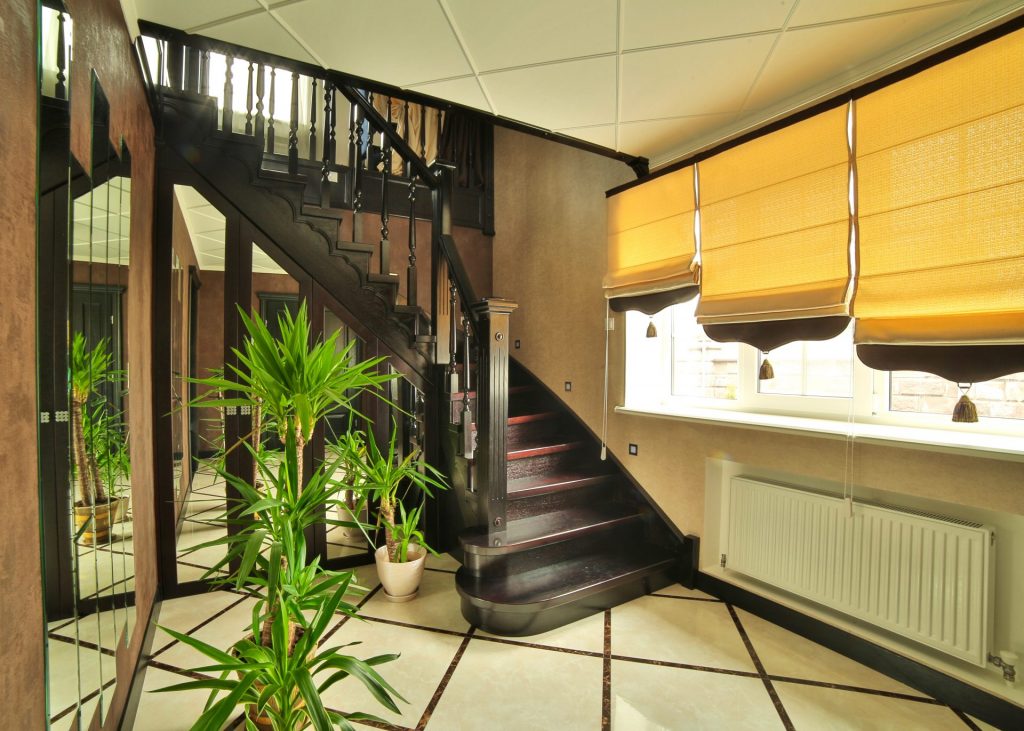
Curved stairs
Curved stairs are a popular choice for those who want to create a grand and elegant entrance in their home. They consist of a sweeping curve that connects different floors, with treads that are wider on the outside of the curve and narrower on the inside.
Advantages of curved stairs:
Elegant design: Curved stairs create a grand and elegant entrance in the home, making them a popular choice for those who want to make a statement.
Provides privacy: Curved stairs provide more privacy between floors compared to straight stairs, as they allow for a landing between the curves.
Allows for better traffic flow: Curved stairs allow for better traffic flow between floors, as they can accommodate more people at once.
Disadvantages of curved stairs:
Expensive: Curved stairs are the most expensive type of stairs, as they require more planning and skill to design and install.
Difficult to install: Curved stairs require a higher level of skill and planning to design and install compared to other types of stairs, making them more expensive.
Takes up more floor space: Curved stairs take up more floor space compared to straight stairs and L-shaped stairs, making them less suitable for homes with limited space.
TL;DR The type of stairs you choose for your home will depend on your personal preferences, the space available, and your budget. Each type of stairs has its own advantages and disadvantages, so it is important to consider all factors before making a decision. Whether you choose straight stairs, L-shaped stairs, U-shaped stairs, spiral stairs, or curved stairs, make sure they fit the overall design and style of your home and provide the functionality you need.