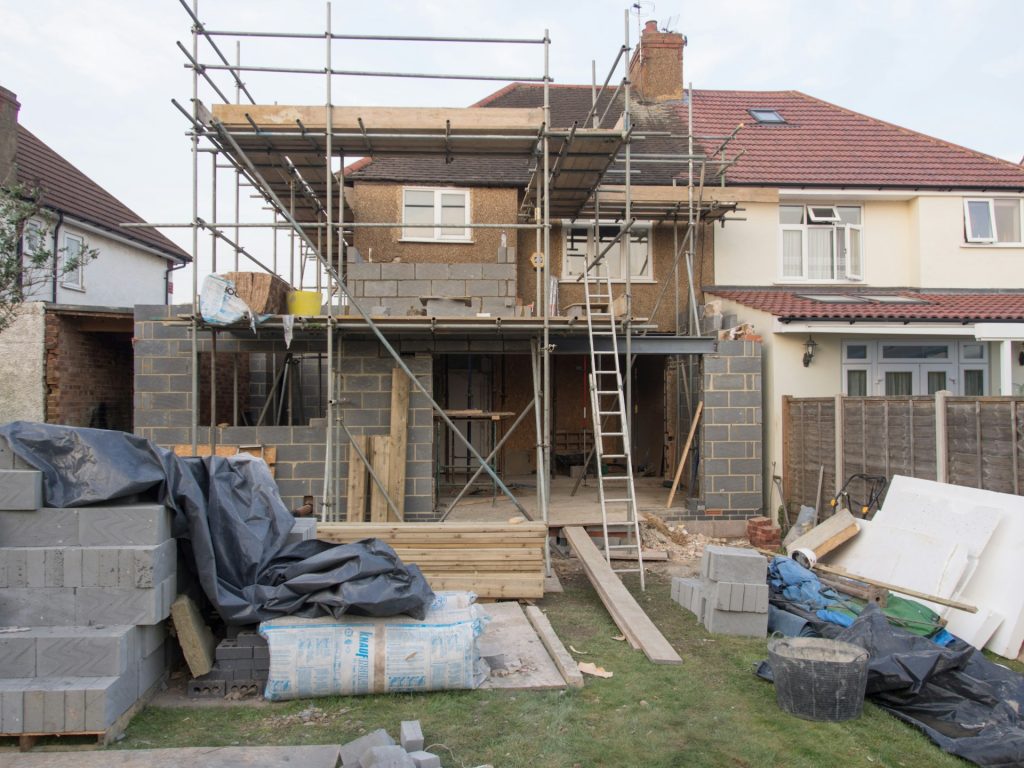
When it comes to maintaining your home, repairs and renovations are essential for safety, functionality, and preserving property value. However, disputes with neighbors can sometimes complicate the process, especially when a neighbor actively prevents you from completing necessary repairs. In New Jersey, homeowners are protected by laws and regulations designed to help resolve such disputes while ensuring the repairs can proceed. This article provides a comprehensive guide on how to navigate the situation, protect your rights, and maintain a positive relationship with your neighbors.
Understanding the Problem: Why Neighbors May Object
Neighbor disputes over repairs can arise for various reasons. Some common concerns include:
- Noise and Disruption: Neighbors may worry about construction noise, dust, or other inconveniences.
- Property Boundaries: Disputes often involve questions about property lines or whether repairs might affect the neighbor’s property.
- Safety Concerns: Neighbors might be worried about damage to their property, such as falling debris or construction equipment causing harm.
- Personal Disputes: Sometimes, underlying tensions between neighbors escalate when repair work is involved.
Recognizing these concerns can help you approach the situation with understanding, even if the neighbor’s actions seem unreasonable.
Step 1: Communicate with Your Neighbor
The first and most effective step is to try and resolve the issue through open and polite communication. Here’s how:
- Explain the Repairs: Provide a clear explanation of the work that needs to be done, why it’s necessary, and how long it will take. If possible, share a copy of the work plan or timeline.
- Address Their Concerns: Ask your neighbor to share their specific worries and try to address them. For example, you could offer to limit noisy work to certain hours or provide assurances about cleanup.
- Document the Discussion: Keep a record of your conversations, including dates, times, and what was discussed. This documentation may be helpful later if the issue persists.
Sometimes, clear communication is enough to resolve misunderstandings and gain your neighbor’s cooperation.
Step 2: Verify Permits and Compliance
Before proceeding with any repairs, ensure that you have followed all legal requirements. In New Jersey, certain types of work require permits, such as:
- Structural repairs
- Electrical and plumbing work
- Major renovations
Contact your local municipality to confirm the necessary permits and obtain them before starting the repairs. Compliance with local laws strengthens your position and can reassure your neighbor that the work is being done professionally and safely.
Additionally, research any local ordinances that may apply to your situation, particularly if the repairs require temporary access to your neighbor’s property. Some municipalities have rules that outline how such access should be handled.
Step 3: Right of Entry for Repairs in New Jersey
In some cases, repairs to your home may require limited access to your neighbor’s property—for example, if scaffolding or ladders need to be placed near the property line. New Jersey does not have a specific statewide “right of entry” law for repairs, but courts have recognized the principle that property owners must allow reasonable access for necessary work, provided it does not cause undue harm or disruption.
To exercise this right:
- Provide Notice: Inform your neighbor in writing about the need for access, explaining why it is necessary and detailing the scope of the work. Include the expected start and end dates.
- Minimize Disruption: Ensure that any intrusion onto their property is as limited and temporary as possible. Clean up promptly after the work is completed.
- Offer Compensation (if applicable): If the repairs might cause minor inconvenience or damage, you can offer to cover the cost of repairs or compensate your neighbor for any temporary loss of use.
If your neighbor refuses access, you may need to escalate the issue by seeking legal assistance.
Step 4: Send a Formal Letter
If verbal communication fails, a formal written notice can be an effective next step. A well-crafted letter should include:
- A clear explanation of the repairs and their necessity
- A description of any impact the work might have on their property
- A request for their cooperation, along with proposed solutions to minimize inconvenience
- A timeline for the work
- An invitation to discuss the matter further
Sending this letter via certified mail ensures there is a record of your attempt to resolve the issue amicably.
Step 5: Explore Mediation Services
New Jersey offers several resources for resolving disputes between neighbors without resorting to legal action. Mediation services can help both parties reach a mutually agreeable solution with the assistance of a neutral third party.
- Local Mediation Programs: Check with your municipality or county for community mediation services. These programs are often free or low-cost and focus on preserving neighborly relationships.
- Private Mediators: If local resources are not available, you can hire a private mediator. While this involves a fee, it is usually less expensive and time-consuming than pursuing a lawsuit.
Mediation allows both parties to express their concerns in a controlled environment, often leading to compromises that satisfy everyone involved.
Step 6: Consult a Real Estate Attorney
If attempts to resolve the issue informally are unsuccessful, it’s time to seek legal advice. A real estate attorney can help you:
- Determine your legal rights regarding property boundaries and access
- Draft formal notices or legal demands
- Represent you in negotiations or court if necessary
An attorney can also review any relevant documents, such as property deeds or easements, to clarify ownership rights and responsibilities.
Step 7: File a Court Petition (if necessary)
As a last resort, you may need to petition the court for relief. This process involves asking a judge to grant an order allowing the repairs to proceed or requiring your neighbor to stop interfering. Depending on the situation, the court might issue:
- An Access Order: This permits you to temporarily enter the neighbor’s property to complete the repairs.
- An Injunction: This prevents your neighbor from obstructing the work.
To succeed in court, you’ll need to demonstrate that the repairs are essential and that you’ve made reasonable efforts to resolve the dispute amicably.
Step 8: Document Everything
Throughout the process, keep detailed records of all interactions with your neighbor, including:
- Dates and details of conversations
- Copies of written notices and emails
- Photos or videos of the repair area
- Any relevant legal or municipal documents
This documentation will be invaluable if the situation escalates to mediation or legal proceedings.
Maintaining Neighborly Relations
While it’s important to stand up for your rights, try to maintain a respectful and professional demeanor throughout the process. Avoid escalating the conflict unnecessarily, as this can strain your relationship and create a hostile living environment.
TL;DR
Navigating a dispute with a neighbor over home repairs can be challenging, but New Jersey homeowners have a range of options to protect their rights and resolve conflicts. By communicating openly, complying with local regulations, and seeking legal or mediation assistance when necessary, you can overcome these obstacles and complete your repairs with minimal disruption. By approaching the situation thoughtfully and methodically, you can not only preserve your property but also maintain peace in your neighborhood.